
In San Antonio, painting is never just about color. It is about durability. It is about performance under relentless sun, sudden downpours, humidity spikes, and shifting substrates. Professional painters and contractors across South Texas know that the difference between a project that looks great for a year and one that performs for a decade often comes down to one critical step: priming.
Before any topcoat goes on, the smartest projects begin with the right paint primer in San Antonio, TX. Primer affects adhesion, coverage, stain blocking, sheen consistency, and long-term longevity. For experienced DIY homeowners and property maintenance teams, understanding how to select and apply primer correctly can protect both reputation and budget.
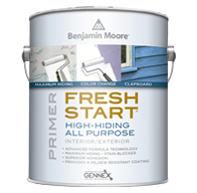
At San Antonio Paints, we carry a wide selection of interior and exterior primers, including Benjamin Moore primer options designed specifically for hot and humid climates. We also provide expert guidance to ensure you pair the correct primer with your chosen topcoat. In a market where substrate challenges and climate extremes are common, that guidance matters.
The San Antonio Climate Demands a Strategic Approach
Texas heat is not subtle. Exterior walls in San Antonio regularly face prolonged UV exposure that can degrade improperly bonded coatings. Add in humidity, seasonal storms, and temperature swings, and you have a recipe for paint failure if the surface is not properly prepared.
Primer for hot and humid climates must do more than create adhesion. It must seal porous surfaces, resist moisture intrusion, and support flexible topcoats that expand and contract with heat. Without the right foundation, even premium paint can blister, peel, or fade prematurely.
Exterior masonry is especially vulnerable. Stucco and concrete surfaces are highly porous. Without a proper masonry and drywall primer in San Antonio, the topcoat can absorb unevenly, leading to patchiness and reduced durability. Interior drywall also presents challenges, particularly after repairs, sanding, or new construction.
Professionals who skip primer in this climate often end up repainting far sooner than expected. In a competitive contractor environment, callbacks cost time and credibility. Priming properly is not an extra step. It is insurance.
When Primer Is Essential and When It Is Not
Primer is always essential in certain situations, though there are limited cases where it may not be necessary. Knowing the difference saves both time and material cost.
If you are working over a surface that has never been painted, primer is mandatory. Bare drywall, new wood, raw masonry, PVC, and composite materials all require sealing before top-coating. Primer ensures uniform absorption and proper adhesion.
Areas that have been sanded down to the base layer also need priming. Repairs, patches, or worn spots create uneven surfaces that top-coat alone cannot correct. Stained surfaces from rust, smoke, or water damage also demand the right primer selection to prevent bleed-through.
Dramatic color changes often benefit from primer as well. Even with high-quality paints, extreme shifts in tone can require additional coats without proper base preparation.
On the other hand, repainting a surface that is in good condition and previously coated may not require a separate primer if using a quality paint and primer combination product. Benjamin Moore Paint and Prime options can simplify projects when conditions are appropriate. However, professionals understand that even paint and prime products perform best when the substrate is stable and properly prepared.
The key is assessment. At San Antonio Paints, our team helps contractors evaluate each project individually to determine whether a dedicated primer is required or if a paint and prime system will perform adequately.
Choosing the Best Primer for Exterior Walls in Texas
Exterior projects in San Antonio demand careful product selection. The best primer for exterior walls in Texas must withstand intense sunlight, resist moisture infiltration, and bond to challenging substrates.
Acrylic primers are widely used for general exterior prep and color changes. They are easier to apply, dry relatively quickly, and clean up with water. For surfaces such as wood, laminate, and clean metal without rust, acrylic options provide excellent bonding strength.
However, alkyd primers remain valuable in specific scenarios. When working with stained wood, tannin-rich substrates, or areas with smoke or water damage, oil-based primers offer superior stain blocking. Alkyd primers are also highly effective on porous materials and exterior wood base layers.
Understanding when to use acrylic versus alkyd is essential for professional painters. The wrong choice can compromise adhesion or allow stains to bleed through.
San Antonio Paints maintains a consistent inventory for contractors, ensuring access to both acrylic and alkyd primers suited to Texas conditions. Inventory reliability is critical for large-scale residential projects and maintenance contracts where delays are costly.
Substrate Challenges in San Antonio Homes
Homes across San Antonio feature a range of substrates, including stucco, brick, wood siding, drywall, and composite trim. Each presents unique priming considerations.
Masonry surfaces require specialized masonry and drywall primer in San Antonio to seal porous material effectively. Without it, topcoats may dry unevenly and develop inconsistent sheen.
Drywall, particularly in new construction or remodel projects, absorbs paint heavily without primer. Joint compound areas are especially prone to flashing if not properly sealed.
High gloss or non porous surfaces such as laminate, plastic, or previously coated trim require bonding primers designed to grip slick substrates. Hard to coat surfaces benefit significantly from primers that act as binding agents.
Rust on metal surfaces introduces another layer of complexity. Alkyd primers are typically preferred in these cases to block corrosion and prevent future staining.
Experienced contractors recognize that proper surface preparation extends beyond sanding and cleaning. Selecting the correct primer for each material is what separates a professional result from a temporary fix.
Pairing Primer and Topcoat for Long Term Performance
Primer does not work in isolation. It must be compatible with the selected topcoat to achieve optimal performance. Pairing the wrong products can result in adhesion issues or compromised durability.
San Antonio Paints offers expert advice on pairing primers with topcoats, particularly within the Benjamin Moore system. Using products engineered to work together enhances color consistency, coverage, and longevity.
In hot and humid climates, compatibility becomes even more important. Exterior paints must flex with temperature changes. If the primer beneath does not support that flexibility, cracking and peeling may occur.
For contractors managing multiple crews or properties, consistency in product selection simplifies training and quality control. Reliable access to the same primers and topcoats reduces variability across projects.
Our team works closely with professional painters, experienced DIY homeowners, and property maintenance teams to ensure each project begins with the right foundation. With a wide selection of primers designed specifically for humidity, heat, and substrate challenges, we help eliminate guesswork.
Building Better Projects from the Base Up
In San Antonio, paint failure is often traced back to improper preparation. Skipping primer to save time can lead to premature peeling, uneven finish, or costly callbacks.
Using the right paint primer in San Antonio, TX, sets the stage for professional results. Whether selecting the best primer for exterior walls in Texas, choosing acrylic versus alkyd for stain blocking, or sealing new drywall, the foundation determines the outcome.
Professional painters and contractors who treat primer as a strategic step rather than an optional add-on consistently deliver superior results. With expert guidance, dependable inventory, and products engineered for hot and humid climates, San Antonio Paints supports projects built to last.
In this market, durability is not a bonus. It is the expectation. And that durability starts with proper priming.