

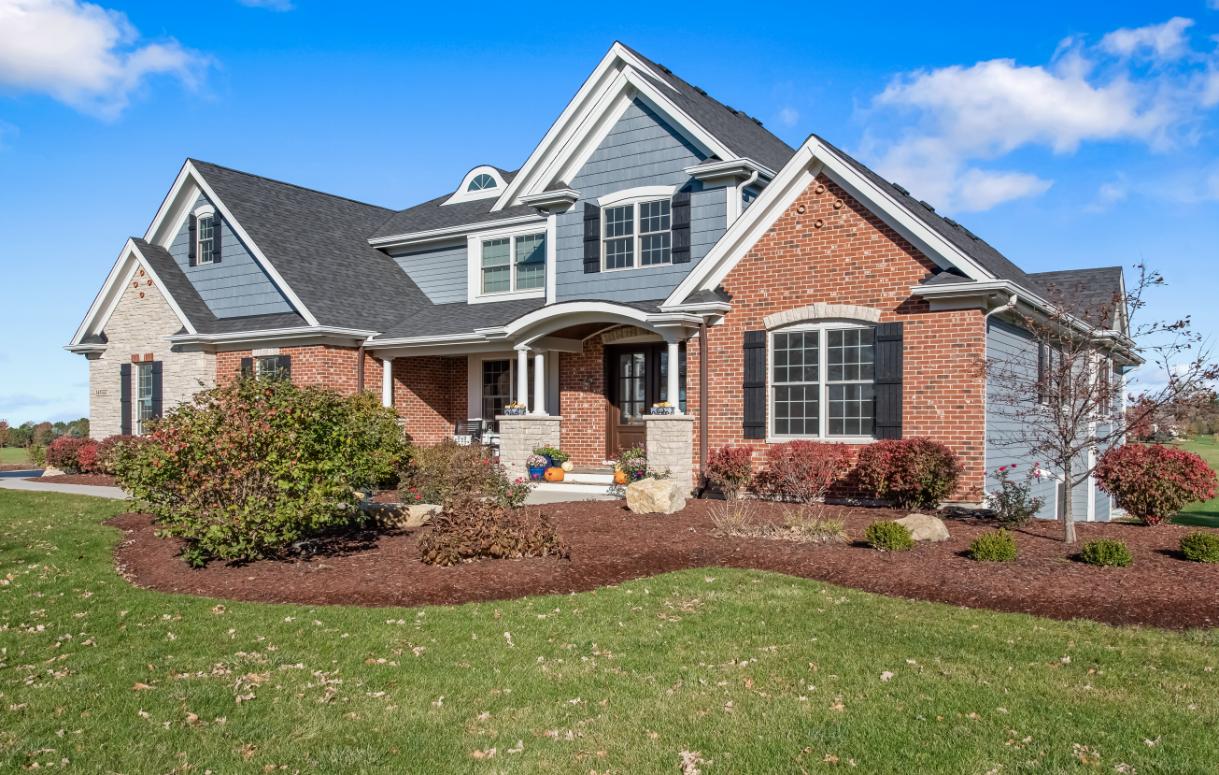
Stone homes already have strong color, texture, and character, so the right exterior paint should complement the masonry rather than compete with it. In San Antonio, that choice also has to make sense under intense sunlight, against warm regional landscapes, and alongside architectural styles found from Alamo Heights to Stone Oak.
Quick answer: The exterior paint colors that best complement stone homes are usually warm whites, soft creams, balanced greiges, muted taupes, earthy greens, and restrained charcoal or bronze accents. The best choice comes from identifying the stone’s undertones first. Warm limestone often pairs naturally with cream and beige, while stone with gray or mixed undertones can support greige, gray-green, or deeper contrasting trim.
What local homeowners should know
-
Start with the permanent stone rather than choosing a favorite paint color first, because the masonry determines which undertones will look cohesive.
-
San Antonio’s strong sunlight can make exterior colors appear brighter and sometimes lighter than they do on a small indoor paint sample.
-
Warm whites and creams often coordinate well with the limestone and earth-toned masonry seen throughout Bexar County.
-
Roof color, garage doors, trim, shutters, and other fixed finishes should be considered alongside the stone.
-
Always test exterior colors directly on the home and view them at different times of day before making a final decision.
Why Do Exterior Paint Colors Matter So Much on Stone Homes in San Antonio?
Exterior paint colors matter on stone homes in San Antonio because stone is a dominant, permanent finish with its own undertones, while the region’s bright sunlight can noticeably affect how surrounding colors appear. Coordinating paint with both the masonry and fixed exterior materials creates a more unified result.
Homes throughout areas such as Alamo Heights, Terrell Hills, Stone Oak, and communities around the Texas Hill Country can feature prominent stonework. Depending on the property, that masonry may lean cream, gold, tan, brown, gray, or a mixture of several colors.
The goal is rarely to match one stone exactly. Instead, look for an undertone repeated throughout the masonry and use it to guide the painted surfaces.
San Antonio Paints helps local property owners evaluate exterior color choices in the context of the actual home. From here, we focus on how the stone, roof, trim, surrounding light, and painted surfaces work together instead of treating paint color as an isolated decision.
What Do Local Conditions Tell Us About Choosing Exterior Color?
Local conditions suggest that exterior colors should be evaluated outdoors on the actual property, especially because strong South Texas sunlight can change their appearance throughout the day. Shade, surrounding landscaping, roof overhangs, and the direction each wall faces can all influence how a selected color reads.
This is best treated as a practical field consideration rather than a universal color formula. A warm off-white that looks subtle beneath a covered entry may appear considerably brighter on an exposed wall.
The same issue applies to darker accents. A charcoal or deep bronze may provide attractive definition around windows or doors, but the relationship between that color and the stone should be evaluated in natural light.
For local homeowners, larger test areas provide much more useful information than relying only on a small color chip.
How Does the Wrong Paint Color Affect a Stone Exterior?
The wrong paint color can make a stone exterior look disconnected by emphasizing undertones that do not naturally work together. A stark white beside warm golden stone, for example, may create more contrast than the homeowner intended, while an overly yellow beige can exaggerate warmth already present in the masonry.
Color also influences which exterior feature becomes visually dominant. Strong trim can pull attention away from attractive stonework, while an understated body color can allow natural masonry to remain the focal point.
That balance is especially useful on homes where stone covers only the lower facade, columns, entryway, or selected architectural features.
What Are the Signs an Exterior Color May Not Work With Your Stone?
Signs of a poor stone-and-paint combination include clashing undertones, excessive contrast, and colors that change unfavorably in direct sunlight. Before committing to a full exterior repaint, watch for these warning signs:
-
A white sample looks noticeably blue or stark beside warm stone.
-
Beige paint makes the masonry appear unusually orange or yellow.
-
Gray paint brings out unwanted cool tones in otherwise warm stone.
-
The trim competes with the stone instead of framing it.
-
A color looks appropriate in shade but dramatically different in afternoon sun.
-
The paint coordinates with the stone but clashes with the roof.
-
Garage doors or other large painted surfaces become the most visually dominant feature.
When Should You Ask a Professional for Exterior Color Help?
Professional exterior color guidance is useful when the stone contains several undertones, the home has multiple fixed finishes, or you are considering a major color change. Homeowners can safely compare samples themselves, but coordinating masonry, roofing, trim, doors, siding, and other surfaces can become complicated.
This is particularly relevant on larger San Antonio homes with combinations of stucco, siding, brick, and stone.
Professional painting also becomes important once the project moves beyond color selection. Exterior surfaces may require cleaning, repairs, scraping, preparation, priming, or other steps before new coatings are applied. The appropriate preparation depends on the condition and material being painted.
Which Paint Colors Commonly Complement Stone Homes?
Warm whites, creams, greiges, taupes, muted greens, and dark neutral accents are among the most versatile color families for stone homes because they can coordinate with common natural masonry undertones. The right family depends on whether the stone reads warm, cool, or balanced.
1. Warm White and Cream
Warm whites can give limestone and tan stone a clean appearance without introducing the sharp contrast of a cooler white. This combination can suit homes where the stone itself is meant to remain prominent.
2. Greige
Greige blends gray and beige, making it useful for masonry containing both warm and cool notes. It can also help connect stone to gray, brown, or mixed-color roofing.
3. Taupe
Muted taupes can complement brown, beige, and earthy stone without trying to duplicate the masonry. They are especially useful when homeowners want a subdued exterior palette.
4. Muted Green
Sage, olive-gray, and other restrained greens can work with natural stone and the earthy landscapes associated with South Central Texas. The key is choosing a muted shade rather than a highly saturated green.
5. Charcoal or Deep Bronze
Dark neutrals can provide definition on doors, shutters, window details, or selected trim. On a stone-heavy facade, using these shades as accents often creates contrast without overwhelming the masonry.
How Should San Antonio Homeowners Test Exterior Paint Colors?
San Antonio homeowners should test several exterior paint samples directly beside the stone and observe them in morning light, afternoon sun, and shade before choosing a final color. A sample viewed only indoors or on a small card cannot fully represent how it will look across a large exterior wall.
Place samples near important fixed materials, including stone, roofing, and trim. If the home has significantly different sun exposure on different sides, evaluate the color in more than one location.
Also consider seasonal landscaping and surrounding materials. Mature trees in neighborhoods such as Alamo Heights may create substantial shade, while more exposed properties toward the Hill Country can receive stronger direct light.
What Results Can You Expect From a Well-Coordinated Exterior Palette?
A well-coordinated exterior palette should make the stone, paint, roof, trim, and architectural details feel intentionally connected rather than visually separate. The paint does not need to disappear, but it should give the home a clear hierarchy and allow its strongest permanent features to work together.
Homeowners may choose subtle contrast for a traditional appearance or stronger dark accents for greater definition. Either approach can work when the undertones remain compatible.
The most realistic goal is cohesion, not finding a supposedly perfect color that works on every stone home.
What Exterior Color Mistakes Should San Antonio Homeowners Avoid?
The most common exterior color mistakes are choosing paint without checking stone undertones, relying on tiny samples, and ignoring fixed materials such as the roof. These errors can turn an appealing color in isolation into an awkward choice once it covers a large portion of the house.
Mistake: Choosing a bright white because it looks clean on a sample.
Consequence: It may appear harsh beside creamy or golden stone.
Better approach: Compare warm and neutral whites directly against the masonry.
Mistake: Matching the paint exactly to one stone.
Consequence: The facade can become flat or overly beige.
Better approach: Coordinate with a recurring undertone rather than copying one individual stone.
Mistake: Forgetting the roof.
Consequence: The paint and stone may coordinate while the overall exterior does not.
Better approach: Evaluate all major fixed finishes together.
Mistake: Choosing color under indoor lighting.
Consequence: South Texas daylight may reveal undertones that were not obvious indoors.
Better approach: Test colors outside over several parts of the day.
What Is a Common Color-Selection Scenario for a Local Stone Home?
A common local scenario is a homeowner with warm limestone who wants to modernize the exterior without making the stone look dated or overly yellow. This is a general example, not a San Antonio Paints case study.
Instead of reaching immediately for a crisp white and black combination, the homeowner could compare warm off-white and light greige body colors. A muted charcoal or bronze accent could then be tested for the front door or selected details.
This approach uses the existing masonry as the starting point while still allowing the painted portions of the exterior to feel updated.
Which Painting Services Can Help With a Stone Home Exterior?
Exterior painting and color planning can help homeowners coordinate painted siding, stucco, trim, doors, garage doors, and other appropriate surfaces with existing stonework. The scope should be based on the materials present and their current condition.
We can help homeowners think through how painted areas relate to permanent masonry and other exterior finishes before the project begins.
Should You Choose Exterior Colors Yourself or Work With a Professional?
DIY color selection can work for a simple exterior, while professional guidance becomes more valuable when a home combines stone with several colors, materials, or architectural elements. The decision depends on the complexity of the facade and how confident you are evaluating undertones.
A homeowner may be comfortable narrowing five colors to two. Professional input can then help evaluate those finalists in relation to the stone and overall exterior.
For the painting itself, preparation and application requirements should also be considered. A successful exterior update involves more than selecting an attractive color.
What Areas Around San Antonio Can Use These Stone-Home Color Principles?
These color principles are especially relevant to stone and mixed-material homes throughout San Antonio and surrounding Bexar County communities. They can also apply to properties toward Stone Oak, Alamo Heights, Terrell Hills, and the broader Hill Country region where natural-looking masonry plays a prominent role in residential design.
Specific service availability outside the primary city should be confirmed directly with us.
What Can Happen If You Keep an Exterior Color That Clashes With Stone?
A poorly coordinated exterior color can leave a home looking visually fragmented and may make future color decisions more difficult when other exterior elements need updating. Waiting is not necessarily a property emergency, but repainting provides an opportunity to bring the home’s permanent and painted finishes into better visual alignment.
If the existing coating is also peeling, cracking, chalking, or otherwise deteriorating, the condition of the painted surface deserves attention independently of color preference.
FAQ
What color looks best with limestone homes in San Antonio?
Warm whites, creams, greiges, and muted taupes often coordinate well with limestone homes in San Antonio because these families can echo the masonry’s warm neutral character. Limestone varies, however, so homeowners should identify the dominant undertone in their specific stone and test paint samples directly beside it.
Does white exterior paint work with Texas stone?
Yes, white can work beautifully with Texas stone when its undertone coordinates with the masonry. Warm or creamy whites are often worth testing beside beige, tan, or golden stone. Cooler or extremely bright whites may create stronger contrast, so compare several options outdoors before deciding.
What trim color works with a stone house in San Antonio?
Trim on a San Antonio stone house can be warm white, cream, greige, taupe, charcoal, or another coordinated neutral depending on the stone and body color. Lighter trim creates subtle definition, while darker trim can emphasize architectural features. The roof and window colors should also influence the decision.
Does San Antonio sunlight affect exterior paint color?
Yes, strong outdoor light can make exterior paint appear different from the same color viewed indoors or on a small sample. Test colors on the home itself and observe them during different parts of the day. Areas beneath porches and roof overhangs may also read differently from fully exposed walls.
What colors complement tan stone in Bexar County?
Cream, warm white, balanced greige, taupe, muted green, and selected darker neutrals can complement tan stone in Bexar County. The best option depends on whether the masonry leans yellow, brown, peach, gray, or neutral. Roofing and other permanent exterior materials should be evaluated at the same time.
Should exterior paint match the stone exactly?
No, exterior paint usually does not need to match stone exactly. Pulling from a recurring undertone often creates a more natural relationship while preserving enough contrast to show the home’s architecture. Exact matching can sometimes make an exterior appear overly uniform, especially when large areas of masonry are present.
Are dark exterior colors good for stone homes in San Antonio?
Dark colors can work well as accents on San Antonio stone homes when they coordinate with the masonry, roof, and other fixed finishes. Charcoal, deep brown, and bronze-inspired neutrals can define doors or architectural details. Test dark colors carefully because large painted areas create a much stronger visual effect.
How many exterior paint colors should I test?
Testing several closely related options is usually more useful than committing to the first promising color. Compare the samples directly beside the stone, then narrow them based on morning, midday, afternoon, and shaded appearances. The objective is to see the real interaction between paint, masonry, roofing, and natural light.
Create an Exterior Palette That Works With Your Stone
The best exterior colors for a stone home work with the property rather than forcing the masonry into an unrelated color scheme. By considering undertones, roofing, architectural details, and South Texas light together, local homeowners can make a more informed choice.
Bring Out the Best in Your Stone Exterior
We can help you explore an exterior palette that complements your home’s existing stone and creates a cohesive finished appearance.