

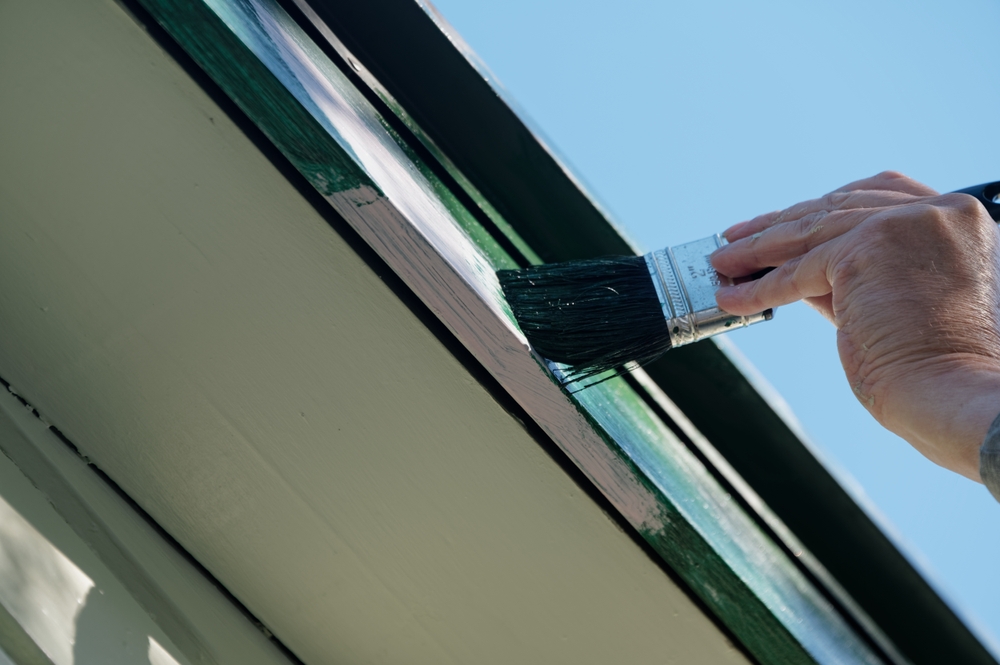
Your home’s exterior is constantly exposed to the intense South Texas sun, sudden thunderstorms, humidity, and airborne dust. Over time, even the highest quality paint begins to break down. Knowing when to repaint can help you avoid costly repairs, preserve your home’s curb appeal, and protect the materials underneath the paint.
Quick Answer
Most homes need exterior repainting every 5 to 10 years, but the timeline depends on the paint quality, surface material, and local weather conditions. In San Antonio, prolonged UV exposure, seasonal storms, and fluctuating temperatures can shorten the life of exterior paint. Regular inspections can help homeowners catch early signs before peeling, cracking, or moisture damage develops.
What Local Homeowners Should Know
-
South Texas sunshine can cause paint to fade and lose its protective properties faster than in cooler climates.
-
Homes near Loop 1604, Alamo Ranch, Stone Oak, and other rapidly growing neighborhoods often experience dust buildup that gradually wears painted surfaces.
-
Heavy spring storms and summer humidity can allow moisture to penetrate damaged paint, leading to wood deterioration.
-
Checking your home’s exterior every spring and fall helps identify small issues before they become expensive repairs.
-
Different exterior materials such as stucco, brick, wood, and fiber cement all age differently and may require different repainting schedules.
Why This Matters Locally
The climate in Bexar County creates unique challenges for exterior paint. Long periods of sunshine expose homes to intense ultraviolet radiation that gradually breaks down paint binders. Seasonal thunderstorms, occasional hail, and humidity add additional stress, especially on south and west-facing walls that receive the strongest afternoon sun.
Older neighborhoods like Alamo Heights, Terrell Hills, and Monte Vista often feature homes with wood trim that requires more frequent maintenance than newer construction using fiber cement or engineered materials.
At San Antonio Paints, we help homeowners recognize the early warning signs of paint failure before exterior damage becomes much more expensive to repair. From that point forward, our focus is on educating homeowners about protecting their investment with the right painting solutions.
Local Field Observations
Professional painters working throughout the area commonly notice that south-facing walls typically show fading and chalking before other parts of the home. Properties with minimal shade often experience accelerated paint deterioration because surfaces remain exposed to direct sunlight for most of the day.
Homes located near busy roads may also accumulate more dirt and airborne particles, which gradually wear protective paint coatings and make fading more noticeable.
Local Impact
Exterior paint does much more than improve appearance. It creates a protective barrier against moisture, sunlight, and normal weathering.
When paint begins to fail, homeowners may experience:
-
Moisture intrusion around trim and siding
-
Wood rot on exposed surfaces
-
Higher maintenance costs
-
Reduced curb appeal
-
More expensive preparation before repainting becomes possible
Addressing paint issues early is typically far less expensive than repairing damaged exterior materials later.
Warning Signs It’s Time to Repaint
Several visible indicators suggest your home may be ready for fresh exterior paint.
1. Fading Color
Strong Texas sunlight gradually bleaches pigments, especially on darker colors and walls facing west.
2. Peeling Paint
Peeling indicates the paint is no longer adhering properly and can expose underlying materials to moisture.
3. Cracking or Flaking
Cracked paint loses its ability to protect siding and trim from weather exposure.
4. Chalking
If you rub your hand across the siding and notice a powdery residue, the paint is breaking down from UV exposure.
5. Bubbling Paint
Blisters or bubbles often indicate trapped moisture beneath the paint film.
6. Exposed Wood
Bare wood quickly absorbs moisture and becomes vulnerable to rot and insect damage.
7. Caulking Failure
Cracked or shrinking caulk around windows and doors often signals that surrounding paint systems are also reaching the end of their lifespan.
When to Call a Professional
You can safely inspect your home’s exterior from ground level several times each year. Look for fading, peeling, cracks, or moisture stains around windows, trim, and siding.
Professional evaluation becomes valuable when:
-
Multiple areas show peeling
-
Paint is bubbling
-
Wood appears soft
-
Large sections are fading unevenly
-
Moisture damage may already be present
A professional inspection can determine whether a simple repaint is sufficient or if repairs should be completed first.
Common Local Causes of Paint Failure
Several factors commonly shorten the lifespan of exterior paint in this region.
Intense UV Exposure
The strong South Texas sun is often the biggest contributor to fading and paint breakdown.
Seasonal Storms
Heavy rainfall and wind-driven moisture can penetrate damaged paint and accelerate deterioration.
Temperature Swings
Repeated heating during the day followed by cooler evenings causes expansion and contraction that stresses paint films.
Dust and Airborne Debris
Construction growth throughout communities such as Helotes, Schertz, and Cibolo can increase airborne dust that gradually wears painted finishes.
Aging Materials
Older wood siding and trim naturally require more maintenance than newer exterior products.
Prevention and Maintenance
Regular maintenance helps maximize the life of your exterior paint.
Consider these best practices:
-
Wash exterior surfaces once or twice each year.
-
Inspect caulking every spring.
-
Trim trees and shrubs away from siding.
-
Repair small chips promptly.
-
Schedule professional inspections every few years.
-
Repaint before widespread peeling develops.
Preventive maintenance often extends the life of the entire exterior paint system.
Expected Results After Repainting
A properly completed exterior painting project provides several benefits.
Homeowners can generally expect:
-
Improved curb appeal
-
Better protection from weather
-
Longer life for siding and trim
-
Easier exterior maintenance
-
Increased confidence in the home’s appearance
The longevity of the finish depends on preparation, product quality, and ongoing maintenance.
Common Mistakes
Waiting Until Paint Is Severely Peeling
Consequence: Surface repairs become more extensive and expensive.
Better approach: Schedule repainting when fading and minor deterioration first appear.
Pressure Washing Incorrectly
Consequence: Excessive pressure can damage siding or force water behind exterior materials.
Better approach: Use appropriate cleaning methods before repainting.
Choosing Paint Based Only on Price
Consequence: Lower quality products may require repainting sooner under harsh Texas conditions.
Better approach: Select products designed for long-term exterior durability.
Ignoring Small Cracks
Consequence: Moisture can enter behind the paint and damage wood.
Better approach: Repair cracks and failing caulk before repainting.
Common Local Scenario
A homeowner notices the west-facing side of the house has become noticeably lighter than the front elevation. Upon closer inspection, chalking appears on the siding and small cracks have formed around the window trim. Although the home still looks generally well maintained, these early warning signs indicate that repainting should be scheduled before peeling and moisture damage begin.
Related Service Solutions
Exterior repainting often includes additional services that improve durability and appearance.
These may include:
-
Surface preparation
-
Pressure washing
-
Wood repair
-
Caulking replacement
-
Primer application
-
Protective exterior coatings
Choosing the appropriate combination of services depends on the condition of the home’s exterior.
Comparing Your Options
| Option | Advantages | Considerations |
|---|---|---|
| DIY Painting | Lower initial cost | Requires significant preparation, equipment, and experience |
| Professional Repainting | Higher quality preparation and finish | Larger upfront investment with less homeowner effort |
| Spot Repairs Only | Addresses isolated issues | May not solve widespread paint aging |
| Full Exterior Repaint | Uniform appearance and complete protection | Best for aging paint systems nearing the end of their service life |
Service Areas
We proudly serve homeowners throughout San Antonio and surrounding communities, including Boerne, Helotes, Schertz, Cibolo, Leon Valley, and other nearby areas throughout Bexar County and neighboring communities.
Cost of Ignoring the Issue
Delaying exterior repainting can allow moisture to reach the underlying building materials, increasing the likelihood of wood rot, trim replacement, and more extensive surface preparation. Addressing paint failure early is often more cost effective than waiting until structural repairs become necessary.
Frequently Asked Questions
How often should homes in San Antonio be repainted?
Most homes require repainting every 5 to 10 years. Homes with greater sun exposure or older wood trim may need attention sooner due to the area’s intense UV radiation and seasonal weather.
Does the Texas sun really damage exterior paint?
Yes. Prolonged ultraviolet exposure gradually breaks down paint binders, causing fading, chalking, and reduced protection, especially on south and west-facing walls.
What time of year is best for exterior painting in San Antonio?
Spring and fall often provide favorable temperatures for painting, although experienced contractors can work during other seasons when weather conditions are suitable.
Can I paint over peeling paint?
No. Peeling paint should be properly removed and the surface prepared before new paint is applied to ensure proper adhesion.
Does stucco need repainting as often as wood siding?
Not always. Stucco generally lasts longer between repainting projects, although fading, cracking, and weather exposure should still be monitored regularly.
How can I tell if fading is only cosmetic?
Minor fading is mostly cosmetic, but chalking, cracking, peeling, or exposed surfaces usually indicate that the paint’s protective qualities are diminishing.
Will repainting improve my home’s value?
Fresh exterior paint often enhances curb appeal and can improve a property’s appearance, making it more attractive to potential buyers.
Should I inspect my home’s exterior after severe storms?
Yes. After heavy storms common in South Texas, inspect your home’s exterior for chipped paint, moisture intrusion, damaged caulk, or exposed surfaces that may require prompt attention.
Protect Your Home with Professional Exterior Painting
Your home’s exterior is one of its first lines of defense against the Texas climate. Staying ahead of fading, peeling, and weather damage helps preserve both its appearance and structural integrity.
Ready to protect and refresh your home’s exterior?
Our team is here to help you evaluate your home’s condition and recommend the right painting solution.