
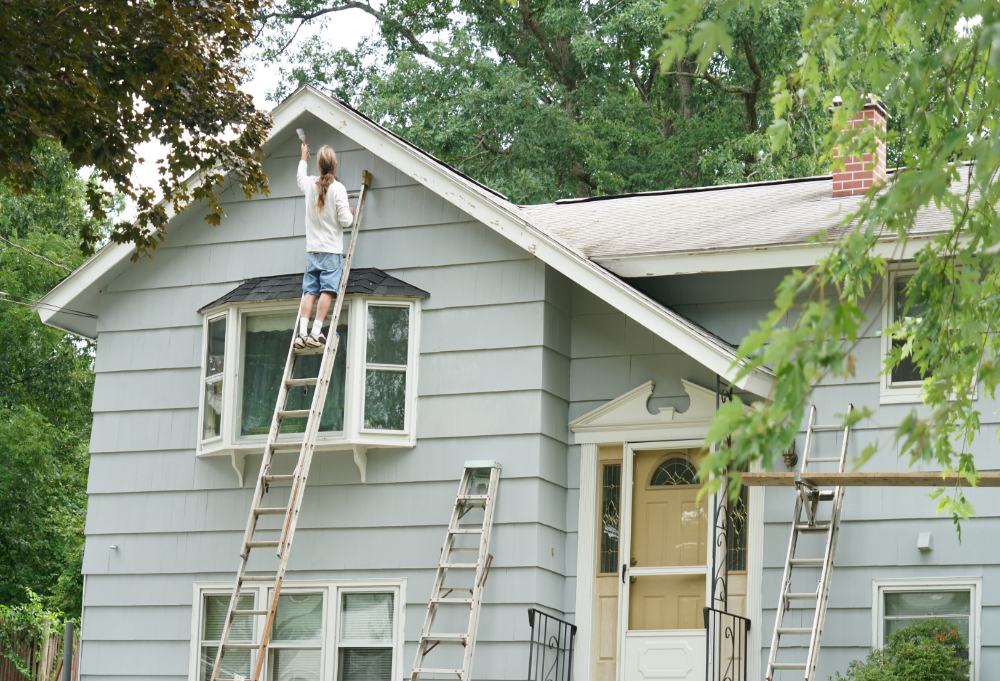
San Antonio homeowners often take on painting projects to refresh their homes or save money on professional services. While DIY painting can be rewarding, many people make costly mistakes that result in poor finishes, wasted materials, and the need for expensive touch-ups or complete repaints. Understanding common painting mistakes in hot weather and learning proper techniques can help you achieve professional-quality results in your Texas home.
The San Antonio climate presents unique challenges for painters. With intense heat, low humidity, and intense UV exposure, the conditions in Texas require specific knowledge and preparation. Whether you are painting interior walls or tackling exterior paint projects, avoiding these common mistakes will save you time, money, and frustration.
Painting in High Heat Without Proper Preparation
One of the most significant mistakes homeowners make in San Antonio involves failing to prepare adequately for the region’s intense temperatures. How to paint in high heat is a question many Texas residents ask, but the answer starts with proper preparation.
Before you even open a paint can, inspect your surfaces thoroughly. High heat causes wood to expand and contract, so check for cracks, peeling paint, and loose materials. Many homeowners skip this step, assuming a fresh coat will cover imperfections. In reality, applying new paint over damaged surfaces leads to premature peeling and failure. Take time to scrape off loose paint, fill holes with appropriate caulk or filler, and sand rough areas.
The heat in San Antonio intensifies the drying process, but this does not mean you should rush your preparation. Sand all surfaces to create a good primer base, even if this seems time-consuming. Your extra effort during preparation will result in better paint adhesion and longer-lasting results. This is one of the most important DIY painting tips for anyone working in Texas.
Ignoring Weather Conditions and Timing
San Antonio residents frequently make the mistake of painting during the hottest parts of the day or during peak summer heat. Painting mistakes in hot weather often stem from poor timing and failure to check weather forecasts and temperature conditions.
Avoid painting when temperatures exceed 85 degrees Fahrenheit, as this causes paint to dry too quickly. Rapid drying prevents proper flow and leveling of paint, resulting in visible brush marks, roller stippling, and an uneven finish. Additionally, paint applied in extreme heat may not cure properly, leading to durability issues.
Paint during early morning hours or late afternoon when temperatures are cooler. This gives your paint adequate time to flow out and cure properly. Check the weather forecast for San Antonio before starting any exterior paint project. Avoid painting right before rain, as moisture prevents proper adhesion and curing. Allow at least 24 to 48 hours of dry weather after painting to ensure the finish sets correctly.
The intense UV exposure in Texas also affects paint selection and application. Choose exterior paint formulated for hot climates, as these products resist fading and chalking better than standard paints. Look for paints with UV-protective additives designed specifically for regions with intense sun exposure.
Choosing the Wrong Paint Type or Quality
A critical mistake many homeowners make is selecting paint based solely on price. Cheap paint often contains fewer pigments and binders, resulting in poor coverage, durability, and color retention. In San Antonio’s harsh climate, investing in quality paint is essential.
For exterior projects, always choose 100 percent acrylic latex paint designed for hot climates. This paint type offers superior flexibility, adhesion, and fade resistance compared to lower-quality alternatives. Interior walls benefit from high-quality latex paint with proper sheen levels for the specific room.
Common exterior paint problems in Texas often result from using the wrong paint type or failing to use primer. Many homeowners think primer is unnecessary, but primer provides crucial bonding between the surface and topcoat. Primer also helps hide stains and prevents bleed-through from previous paint colors or water damage. Skipping primer inevitably leads to poor coverage, requiring additional coats and wasting both time and money.
Consider the sheen level carefully. High-gloss finishes highlight imperfections and work best for trim and doors. Satin finishes offer a subtle sheen suitable for bathrooms and kitchens where moisture resistance matters. Matte or flat finishes hide imperfections better but offer less durability for high-traffic areas.
Neglecting Proper Surface Cleaning and Priming
Before applying any paint, surfaces must be thoroughly cleaned. Dirt, dust, mold, mildew, and chalky residue prevent paint adhesion. Many DIY painting tips emphasize cleaning, yet many homeowners rush through this crucial step.
For exterior surfaces in San Antonio, use a pressure washer on a low setting to remove dirt and mold growth. Allow surfaces to dry completely, typically 24 to 48 hours. For interior walls, wash with a mild detergent solution and allow to dry. Wipe down with a lint-free cloth to remove dust particles.
After cleaning, apply primer before topcoating. Primer is particularly important over stains, new drywall, or when changing from dark to light colors. Skipping primer means you may need three or four coats of paint instead of two, completely negating any savings from skipping the primer step. Quality primer specifically formulated for high-heat regions will provide better results in San Antonio’s climate.
Poor Application Techniques and Inadequate Surface Coverage
Even with quality paint and proper preparation, poor application technique ruins results. Many homeowners make mistakes like overloading brushes with paint, using incorrect brush techniques, or applying paint too thickly.
When painting, dip your brush only one-third into the paint to avoid excessive paint load. Use long, smooth strokes rather than dabbing motions. For roller application, use a roller cover with appropriate nap length for your surface texture. Thick paint application does not provide better coverage; instead, it drips, sags, and creates an uneven finish that looks amateurish.
Apply paint in thin, even coats rather than one thick coat. This method provides better coverage, faster drying, and a more professional appearance. Allow adequate drying time between coats as specified on the paint label. In San Antonio’s heat, this may be less time than the label suggests, but do not assume this means you can apply coats back-to-back without proper drying.
Plan your cutting-in technique carefully. Cut in along edges, corners, and trim before rolling the main wall surface. Maintain a wet edge to avoid visible lap marks where one section meets another. Work in manageable sections, completing one entire wall or area at a time to maintain consistency.
Conclusion
Avoiding common painting mistakes requires understanding how San Antonio’s climate affects paint application and selecting appropriate products and techniques. By preparing surfaces properly, choosing quality materials, timing your project correctly, and applying paint using correct techniques, you can achieve professional results on your DIY painting projects in Texas.
Need Paint in San Antonio, TX?
At San Antonio Paints, we can help you with all your indoor, outdoor, and painting sundries needs. We are a proud distributor of premium Benjamin Moore products. We are locally owned and operated; our storefront is located in northern San Antonio, TX. We look forward to helping you choose the perfect paint for your project! Contact us today!