

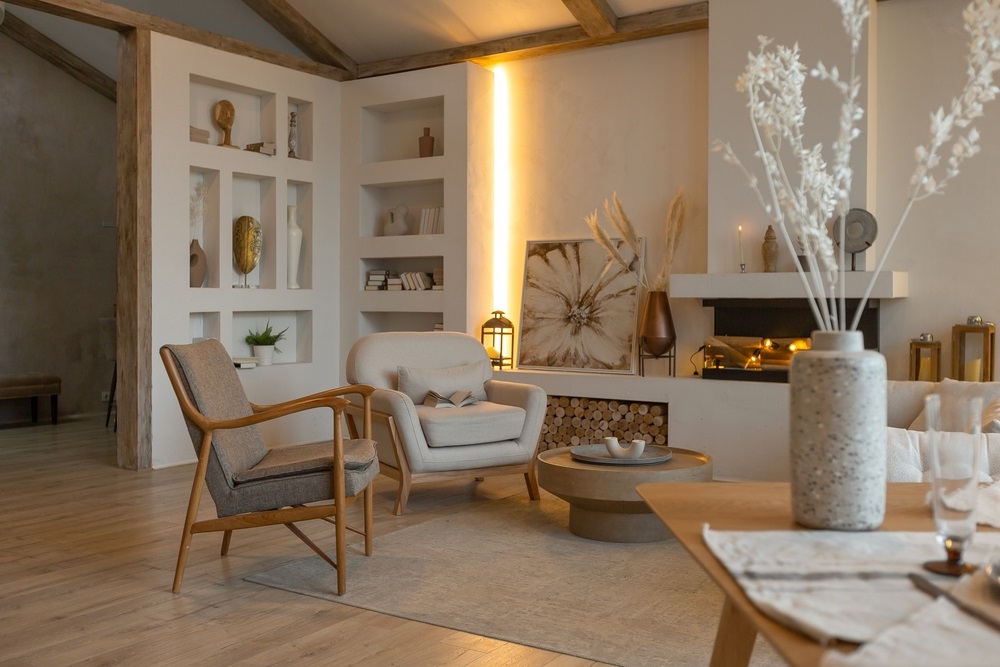
That paint color looked perfect on your phone. Then the first coat went up, the afternoon sun hit the wall, and suddenly the sophisticated warm beige you picked looked yellow.
That is the catch with AI paint previews and digital color tools. They can help San Antonio homeowners narrow down choices, but a glowing screen cannot reproduce the way real paint, real walls, and South Texas light interact.
Quick answer: AI color visualizers are useful for exploring paint colors, but they should not be treated as an exact preview of the finished room. Screens produce light, while painted walls reflect it. Natural light, artificial lighting, sheen, wall texture, surrounding colors, and even the time of day can change how a color appears. Before committing to a full room or exterior, compare physical paint samples in the actual space.
What local readers should know
-
AI visualization is best used to narrow a large color selection into a manageable shortlist, not to make the final decision.
-
San Antonio’s strong sunlight can make exterior and interior colors appear different from what you see on a phone or computer.
-
Homes in neighborhoods such as Alamo Heights, Stone Oak, and Terrell Hills can have very different architecture, lighting, finishes, and surrounding materials that influence color.
-
Paint sheen and wall texture affect how much light is reflected, so the same color can look noticeably different from one surface to another.
-
A physical sample viewed throughout the day gives you information a digital rendering cannot fully reproduce.
Why Does AI Paint Color Look Different on a Real Wall?
AI paint color looks different on a real wall because a screen creates color with emitted light, while painted surfaces show color by reflecting the light around them. That difference becomes more obvious once natural sunlight, lamps, shadows, flooring, furniture, wall texture, and paint sheen enter the picture.
A digital preview can still be extremely helpful. It lets you experiment without covering the wall with dozens of colors. The mistake is expecting the rendering to function like a photograph of the finished result.
San Antonio Paints helps local property owners move from inspiration to a color choice that makes sense on the actual surface. We consider the conditions around the paint, not simply how attractive a swatch looks by itself.
How Does San Antonio Light Affect Paint Colors?
San Antonio light can make paint colors appear brighter, warmer, cooler, lighter, or more intense depending on the direction of the room and the time of day. Strong Texas sunlight also creates a much different viewing environment from the controlled brightness and color settings of a digital screen.
A west-facing room may receive intense afternoon light, while another room on the same property can spend much of the day in softer indirect light. Covered patios, mature trees, neighboring buildings, and deep roof overhangs can create additional shade.
Exterior colors have their own challenges. A color selected indoors may look significantly lighter once it covers a large exterior wall under open South Texas sun. Around areas such as the Medical Center, Monte Vista, or the North Side, surrounding masonry, landscaping, roofing, and neighboring colors can influence perception too.
What Do Painters Look for That an AI Preview Cannot Show?
Professional painters look at the actual surface, lighting, existing finishes, surrounding materials, and application conditions that an AI preview cannot fully evaluate from a simple photo. These details help determine whether a promising digital color will behave visually the way a property owner expects.
Our field observation is that color decisions work better when they are evaluated in context. A warm white beside cream-colored tile is a different decision from the same warm white beside cool gray flooring. Likewise, a muted exterior color beside limestone can read differently beside red brick or stucco.
Phone cameras introduce another variable. Automatic exposure, white balance, filters, and screen brightness can alter the image before an AI tool even begins showing alternative colors.
What Are the Warning Signs That Your Digital Color Choice Needs Another Look?
A digital paint choice needs another look when the color changes dramatically between devices, clashes with fixed finishes, or looks very different as lighting changes throughout the day. Those inconsistencies suggest that the digital preview is not giving you enough information to confidently choose the final paint.
Watch for these signs:
-
The color looks warm on your phone but noticeably cooler on a laptop.
-
Morning and afternoon samples seem like two different colors.
-
A neutral suddenly pulls pink, green, yellow, or blue beside flooring or countertops.
-
The exterior sample looks much lighter in direct sunlight.
-
A glossy or satin finish reflects more light than expected.
-
Heavy wall texture creates highlights and shadows that change the overall appearance.
-
The selected color works in one room but feels wrong in an adjoining space.
When Should You Call a Professional About Paint Color?
Call a professional when color uncertainty involves large areas, difficult surfaces, exterior elevations, connected rooms, or finishes that would be expensive and inconvenient to repaint. Small samples are easy to test yourself, but professional input becomes more valuable as the consequences of a poor color or coating decision increase.
For a single accent wall, testing a few physical samples may be enough. For an entire home, high ceilings, exterior stucco, detailed trim, or a commercial property, there are more variables to consider.
Local conditions matter as well. Exterior painting in Bexar County means accounting for intense sun, heat, surface condition, and weather exposure in addition to color.
What Common Factors Change the Way Paint Color Looks?
The most common factors that change paint color are lighting, sheen, surface texture, surrounding finishes, and the size of the painted area. In San Antonio homes, strong sunlight and common materials such as stone, brick, tile, and stucco can make those differences particularly noticeable.
Lighting is often the biggest surprise. Natural light changes hour by hour, while bulbs vary in color temperature. Sheen also matters because flatter finishes scatter light differently from more reflective finishes.
Then there is scale. A tiny digital swatch surrounded by a white screen is not the same visual experience as four full walls covered in that color.
How Can You Test Paint Colors Before Committing?
The safest way to test paint colors is to narrow your choices digitally, then evaluate physical samples in the actual room or on the actual exterior. Check those samples in morning light, midday conditions, evening light, and under the artificial lighting you normally use.
Place samples near important fixed elements such as flooring, cabinets, countertops, stone, brick, and trim. Do not judge the color from one angle or one moment.
For exterior projects, evaluate the color outdoors. A sample viewed inside the garage will not tell you how that shade will behave on a sunlit wall facing a San Antonio street.
What Paint Color Mistakes Are Easy to Avoid?
The easiest paint color mistakes to avoid are choosing from a screen alone, ignoring undertones, testing in only one light condition, and treating every surface as if it reflects color the same way. A little real-world testing can prevent a digital favorite from becoming an expensive do-over.
A common mistake is selecting a color because it looks perfect in a rendered image. The consequence is disappointment when real lighting exposes an undertone the screen concealed. The better approach is to treat AI as a shortlisting tool and physical samples as the final check.
Another mistake is evaluating color without nearby finishes. A better approach is to compare it directly with the materials that are staying in the room.
What Is a Common San Antonio Color-Selection Scenario?
A common San Antonio scenario is a homeowner choosing a light neutral digitally, only to discover that direct afternoon sun or nearby stone and tile make the real sample appear warmer than expected. This is not a case study, but it illustrates why color should be evaluated on the property before a full application.
Imagine a west-facing living room with tile floors and large windows. An AI preview makes a soft neutral look balanced and understated. On the wall at 5 p.m., however, the color picks up warmth from the sunlight and surrounding finishes.
The AI did not necessarily choose a bad color. It simply could not reproduce every condition affecting the real room.
What Painting Services Help After You Choose a Color?
Professional interior and exterior painting services help turn a tested color choice into a consistent finished surface through proper preparation, application, and finish selection. Color is only one part of the result, so the condition of the substrate and the coating system also deserve attention.
We can help property owners think through interior and exterior painting options while considering the surfaces and spaces involved. The goal is to move beyond a promising screen image and make decisions based on the property itself.
Is DIY Color Selection or Professional Guidance the Better Fit?
DIY color selection works well when you have time to test samples carefully, while professional guidance can be useful for larger projects with multiple rooms, exterior surfaces, or complicated existing finishes. Either way, physical evaluation should remain part of the process rather than relying exclusively on an AI rendering.
Digital tools are excellent for experimentation. You can quickly discover whether you prefer warm neutrals, cooler tones, deeper accent colors, or a completely different direction.
Professional painting becomes more useful when preparation, access, surface repairs, consistent application, or a larger project scope makes DIY less practical.
What Areas Can Use the Same Color-Testing Approach?
The same real-world color-testing approach is useful throughout San Antonio and surrounding Bexar County communities because every property has its own combination of light, architecture, and finishes. Homeowners in areas such as Stone Oak, Alamo Heights, Leon Valley, and nearby communities should evaluate samples on the specific property being painted.
Local architecture varies too much for a digital preview to tell the whole story. The actual home should always get the final vote.
What Does Ignoring a Bad Color Match Cost You?
Ignoring doubts about a paint color can mean paying in time, materials, labor, and disruption if the finished space has to be repainted. Testing is especially worthwhile on large San Antonio exteriors or connected interior spaces where a color decision affects hundreds or thousands of square feet.
The goal is not to make color selection complicated. It is to catch problems while they are still small enough to solve with a sample instead of another full painting project.
FAQ
Are AI paint color visualizers accurate in San Antonio homes?
AI paint visualizers can provide a useful approximation, but they cannot guarantee how a color will look in a San Antonio home. Screen settings, camera processing, strong natural light, artificial lighting, wall texture, sheen, and surrounding finishes can all change the real appearance. Use digital previews to narrow choices, then verify them physically.
Does San Antonio sunlight make exterior paint look lighter?
Strong direct sunlight can make an exterior paint color appear lighter or more intense than it looked on a small indoor sample or digital screen. The effect varies with orientation, shade, surrounding materials, and time of day, which is why exterior colors should be evaluated outside on the property.
Should I test paint directly on my wall?
Testing a physical paint sample in the actual space can reveal how the color responds to your lighting and surrounding finishes. Evaluate the sample at different times of day and near permanent elements such as flooring, cabinets, countertops, trim, brick, or stone before making a larger commitment.
Why does my paint color look different at night?
Paint looks different at night because artificial lighting replaces or supplements daylight and can shift how your eyes perceive undertones. Bulb color temperature and brightness matter, so San Antonio homeowners should inspect important color samples both during daylight hours and under the lights they normally use after dark.
Does wall texture affect paint color?
Wall texture can affect the appearance of paint because raised and recessed areas catch light differently and create small highlights and shadows. Texture is common enough in area homes that a perfectly flat digital rendering may not accurately represent the visual depth of the finished painted surface.
Should I use AI to choose exterior colors in Bexar County?
AI can be useful for creating an exterior color shortlist in Bexar County, but the final choice should be checked against the actual property. Roofing, brick, stone, stucco, landscaping, shade, neighboring surfaces, and strong sunlight can all influence whether a digital color combination works in real conditions.
Can the same paint color look different in two rooms?
Yes, the same paint color can look noticeably different in two rooms because each room receives different amounts and directions of light. Flooring, furniture, window placement, bulbs, and surrounding colors also affect perception, so carrying one color throughout a San Antonio home should still involve testing in multiple spaces.
Is an AI color preview still worth using?
Yes, an AI color preview can be a valuable planning tool when you use it for exploration rather than exact color matching. It can quickly eliminate colors you dislike and reveal combinations worth investigating. The strongest process combines digital convenience with physical samples and observation under real lighting.
Make the Color Work on Your Actual San Antonio Walls
A screen can give you inspiration, but your walls, lighting, surfaces, and South Texas sun determine what the finished color really looks like. We help you take the idea off the screen and turn it into a painting plan that makes sense for the actual property.